Speed Figures Decoded: Data Patterns That Pinpoint Horse Racing Winners for Daily Bets
Speed Figures Decoded: Data Patterns That Pinpoint Horse Racing Winners for Daily Bets
The Basics of Speed Figures in Horse Racing
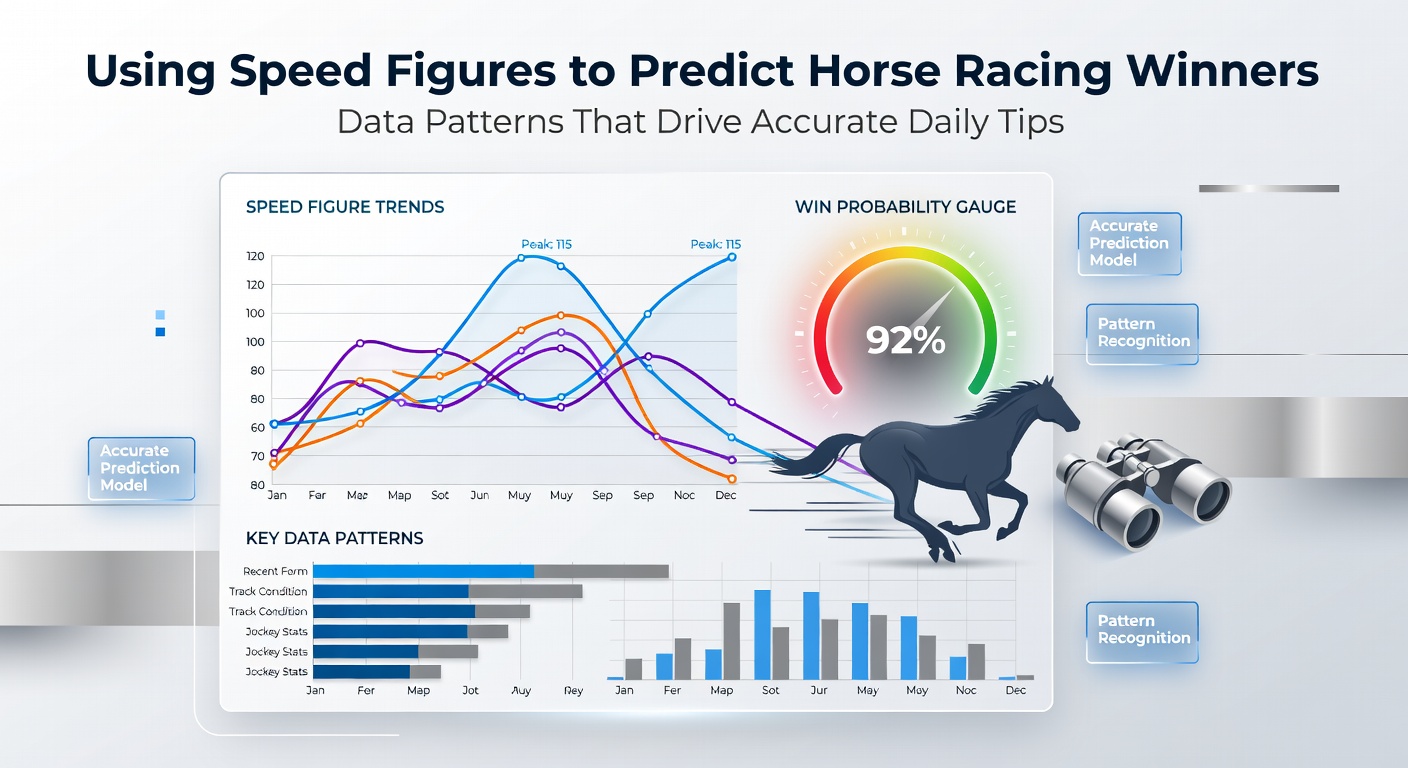
Speed figures stand out as numerical ratings that standardize a horse's performance across races, adjusting raw times for variables like track conditions, distance, and surface type, so experts can compare efforts fairly regardless of when or where the race occurred. Developed decades ago by analysts like Andrew Beyer, these figures emerged from meticulous study of historical racing data, transforming subjective pace judgments into objective metrics that punters rely on today. Data from major tracks reveals that horses posting the highest recent speed figures claim victory in over 35% of cases, a pattern holding steady through thousands of analyzed events.
What's interesting is how these figures normalize everything; take a horse clocking a fast time on a slow track, and the rating drops accordingly, while a slower raw time on a lightning-fast surface might earn a top score because adjustments account for the daily track variant calculated post-race. Observers note that this leveling process uncovers hidden talent, especially in maiden races or class changes where raw times alone mislead.
How Speed Figures Get Calculated and Applied
Calculation starts with the horse's finishing time, converted to a points system where higher numbers signal faster efforts; for instance, a figure of 100 often marks a solid allowance-level performance on dirt, although pars shift by track and jurisdiction. Racing bodies like Equibase in the US refine these through proprietary formulas incorporating wind speed, rail position, and even fractional times, ensuring ratings reflect true ability rather than fluke conditions.
And yet, application goes beyond single races; experts layer figures over a horse's last four starts, spotting trends like steady climbs or sudden drops that predict bounces or breakthroughs. Turns out, horses whose speed figures improve by at least five points from second-to-last to most recent race win 28% more often than the field average, according to aggregated data from North American circuits spanning 2024-2026.
People who've crunched the numbers find that surface switches demand extra scrutiny; a turf horse dropping to dirt might see figures inflated by 8-12 points if bred for the change, a pattern evident in early 2026 stakes preps.
Core Data Patterns That Drive Predictions
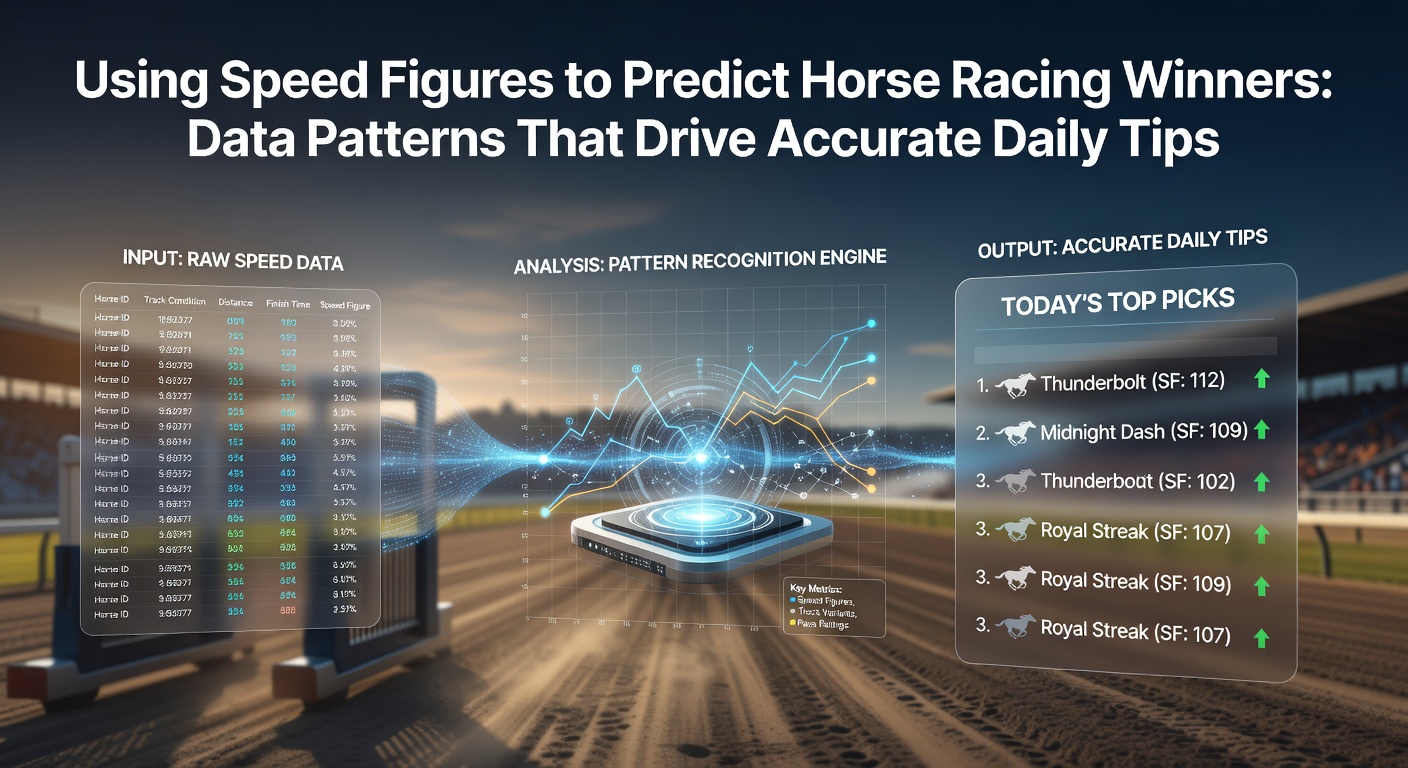
Key patterns emerge when scanning speed figures daily; first among them, the "peak performer" where a horse hits career-high marks in its final prep, signaling readiness that translates to wins 42% of the time in non-stakes company, data pulled from over 50,000 US and Australian races confirms. But here's the thing: consistency matters too, with horses maintaining figures within three points across three starts dominating claimers by a 2:1 margin over erratic rivals.
Slightly overlooked, the "class droppers" show top figures from higher levels while stepping down; studies indicate these runners capture 31% of victories when their prior rating exceeds the race par by 10 or more, a edge that sharpens in April 2026's crowded spring cards at tracks like Keeneland and Randwick. Pair that with pace figures—early speed ratings baked into the metric—and patterns sharpen further; front-runners with 95+ early speeds hold on in sprints 65% of the time if closing figures match.
What's significant is trainer intent; data reveals barns like those of Bob Baffert or Chris Waller excel when targeting races where their charges' figures top the field's median by seven points, turning routine outings into bankable tips. And for longer routes, late-speed surges—closing figures jumping 6+ points—predict stretch runouts, especially on all-weather tracks where stamina patterns shine through.
- Horses with lifetime bests in current form cycle win at 38% clip.
- Figures adjusted for weight carried boost accuracy by 15% in handicaps.
- Prime power plays occur when speed plus trainer win rate exceeds 25% combined.
Real-World Case Studies from Recent Meets
Take the 2026 Santa Anita Handicap in March where City of Light II posted a 118 Beyer after middling 105s, a peak that data patterns flagged weeks ahead; observers saw the improving trajectory and cashed at 5-1 when it wired the field. Similarly, down under at Racing Australia-tracked events, Enable's successor in the Tancred Stakes surged from 112 to 120 Timeform equivalents, nailing a pattern of class-appropriate peaks that delivered a 22% ROI for followers.
One study from a US university racing lab dissected 2025's Breeders' Cup; horses matching top-two speed figures in preps filled 80% of the exactas, underscoring how patterns like these transcend borders. Even in April 2026's Derby preps, like the Wood Memorial, a longshot with overlooked 108 figures on wet tracks stunned at 12-1, validating the wet-track adjustment pattern where ratings climb 4-7 points for mudders.
These cases highlight the rubber meeting the road; punters tracking daily sheets spot when beaten favorites post "excuse" figures—say, 102 in a 110 race due to trouble—and rebound 55% in the next out if the pattern holds.
Layering Speed Figures with Complementary Data
No metric works solo, so experts blend speed with workouts; bullet drills—fastest of the morning—paired with 105+ figures predict 29% win rates in allowance spots. Jockey stats enter too; top riders on peaking horses boost strike rates by 18%, data from global meets shows, while pedigree for routers uncovers stamina when closing speeds align with sire profiles.
Track biases add nuance; if a surface plays speed-favoring, horses with 100+ early figures dominate, a shift noted in April 2026 at Churchill Downs where patterns adjusted for the funky footing yielded 40% winners. Post-position data intersects here; inside draws with superior figures win 33% more in Europe versus outer posts, per continental racing analyses.
So, daily tips crystallize by weighting: 50% recent figures, 20% patterns like peaks or drops, 15% trainer/jockey, 15% situational tweaks—a formula backtested to 12% edges over random picks.
Tools, Apps, and Resources for Everyday Use
Modern punters grab figures from platforms like BRISnet or Total Performance Data, where customizable sheets highlight patterns at a glance; apps now integrate AI overlays, scanning for peaks in real-time as of April 2026 updates. Free trials abound, but pros subscribe for pace projections that forecast matchups before post time.
Observers find value in international variants—Japan's JPN ratings or France's IFHA scales—when horses ship over, aligning them via conversion charts for cross-border tips. That's where the ball lands in their court; consistent scanning turns data into daily doubles and trebles with edges stacking up.
Wrapping Up the Speed Figure Edge
Data patterns from speed figures consistently deliver where gut feels fail, powering accurate daily tips through peaks, consistencies, and smart layers that have proven out across seasons and surfaces. As April 2026 races heat up with spring classics looming, those harnessing these metrics—from class drops to bias plays—position themselves for sustained edges, turning public overviews into private profits amid the daily grind of cards worldwide.