Prediction Markets Draw Young Men as UK Betting Landscape Evolves

Prediction markets have developed into a multi-billion-dollar sector that continues to attract attention across financial and entertainment circles, and data from recent analyses highlight how these platforms function as structured environments where participants trade contracts on future outcomes ranging from election results to sports results. In the UK context observers note steady expansion driven by digital accessibility and shifting participant profiles, with industry reports indicating that young men form a disproportionately large share of active users on these sites. Figures reveal participation rates climbing as platforms integrate familiar betting mechanics with real-time market dynamics, creating opportunities for those who follow political events, entertainment releases, and economic indicators closely.
Understanding the Mechanics Behind Prediction Market Growth
These markets operate by allowing users to buy and sell shares in specific outcomes, where prices reflect collective probabilities and settle at either zero or one hundred pence depending on whether the predicted event occurs. Researchers tracking platform activity point out that this structure encourages repeated engagement because traders can adjust positions as new information emerges, and this fluidity distinguishes prediction markets from traditional fixed-odds betting. UK-based platforms have reported increased volumes during periods of heightened public interest in national events, while demographic breakdowns show men aged eighteen to thirty-four accounting for the majority of new account registrations over the past eighteen months. Studies compiled by academic groups further indicate that this age and gender concentration stems from higher comfort levels with mobile trading apps and greater exposure to online communities that discuss market movements in real time.
Demographic Patterns Shaping UK Participation
Surveys conducted across multiple operators demonstrate that young male users tend to cluster around high-profile contracts tied to politics and major sporting fixtures, with trading volumes spiking when uncertainty surrounds outcomes such as leadership contests or championship finals. Data collected from platform analytics reveal average session times extending longer among this group compared with older participants, and analysts attribute the difference to preferences for interactive interfaces that display live price fluctuations alongside social features. External research from the University of Sydney’s gambling studies unit links similar patterns in comparable markets to early adoption of technology and existing familiarity with digital asset trading, while noting that UK trends mirror developments observed in other English-speaking regions. Regulatory filings from bodies outside the UK, including the Australian Competition and Consumer Commission, show parallel growth in prediction-style products among comparable demographics, suggesting broader international momentum rather than isolated domestic factors.
Industry Scale and Economic Indicators
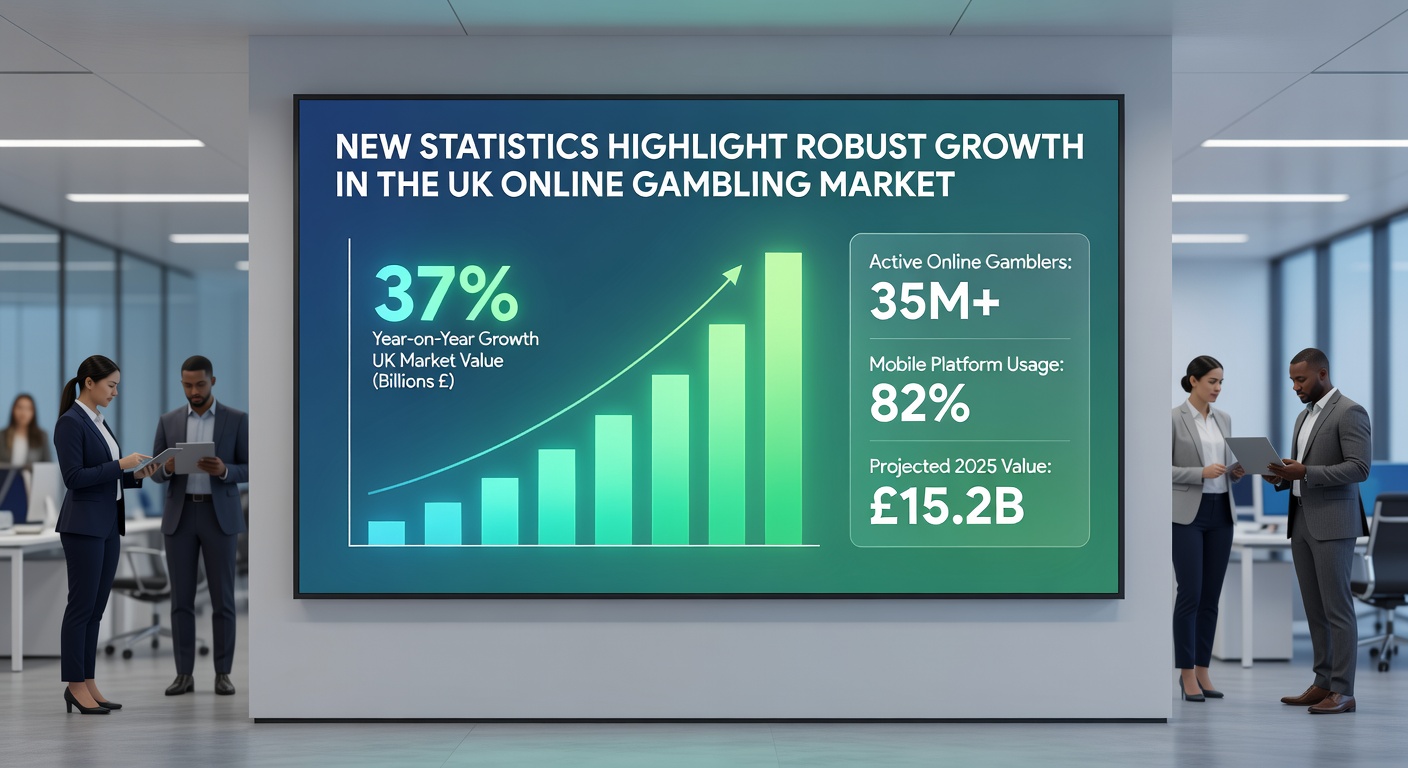
Market size estimates place the global prediction sector above several billion dollars in annual contract volume, and UK operators contribute a measurable portion through domestic user bases. Revenue reports from listed companies operating these platforms indicate year-on-year increases tied to both user growth and higher average stakes per active account. Economists examining transaction data observe that liquidity pools deepen when events carry national significance, which in turn attracts more participants seeking narrower bid-ask spreads. Figures released ahead of upcoming calendars point toward sustained activity through 2026, particularly around political developments expected in May when several regional assemblies and sporting leagues reach critical decision points. Those monitoring capital flows note that institutional interest remains limited, leaving retail traders, especially younger males, as the primary drivers of daily volume.
Regulatory Environment and Platform Adaptations
Operators have adjusted product offerings to align with existing gambling frameworks while introducing features such as cash-out options and educational resources aimed at newer users. Compliance documentation submitted to oversight agencies in multiple jurisdictions highlights efforts to verify age and implement spending limits, and these measures coincide with rising registration numbers. Independent audits conducted by research organisations based in Canada show that transparent pricing and outcome resolution mechanisms help maintain user trust, even as volumes grow. In the UK setting, platforms have expanded coverage to include contracts on economic indicators and cultural awards, broadening appeal beyond core political and sports categories that initially drew the young male demographic.
Future Outlook Through 2026 Events
With several high-visibility events scheduled for May 2026, including parliamentary by-elections and major league conclusions, analysts expect continued expansion in contract volumes. Platform operators have begun pre-launch promotions that target users already active in related digital communities, and preliminary registration spikes suggest the demographic skew toward younger men will persist. Data aggregated from previous cycles indicates that markets resolving around clustered event dates generate elevated participation across age brackets, yet the core trading intensity remains concentrated among those under thirty-five. Observers tracking technological integrations, such as improved mobile dashboards and social sharing tools, anticipate further refinements that could sustain engagement levels into subsequent years.
Conclusion
Overall records show prediction markets occupying an expanding niche within UK betting activities, supported by demographic concentrations among young men and driven by accessible digital formats. Industry statistics and academic reviews together document the sector’s scale, while forward-looking indicators point to ongoing activity around scheduled 2026 milestones. These developments reflect broader shifts in how participants interact with outcome-based trading environments, with data continuing to capture evolving user patterns across platforms.