Aggregated Records Shed Light on Bankroll Strategies in Multi-Layered Wagering

Transaction data from layered event wagering platforms continues to provide detailed views into how participants allocate and adjust funds across sequential betting opportunities, and researchers examining these aggregates have identified consistent patterns in deposit timing, withdrawal thresholds, and risk exposure levels.
Defining Layered Event Wagering Structures
Layered event wagering involves placing bets that span multiple independent outcomes or stages within a single session or across connected markets, where each layer adds to the overall exposure without requiring separate account actions for every step, and aggregated records capture the cumulative effect on participant bankrolls as these layers resolve over time.
Observers note that this format differs from single-event bets because the sequencing creates chained dependencies that influence subsequent decisions, yet transaction logs reveal that many accounts maintain steady allocation percentages even as outcomes unfold.
Bankroll Movement Patterns in Aggregated Data
Studies of consolidated transaction files show that initial deposits often cluster around specific percentages of declared bankroll targets, with subsequent activity reflecting incremental adjustments rather than wholesale resets after each layer resolves, and data from platforms operating in multiple jurisdictions indicates these behaviors hold across different regulatory environments.
What's interesting is how withdrawal events tend to occur after clusters of positive resolutions rather than at fixed intervals, which suggests participants respond to realized gains by securing portions of their positions, while loss sequences prompt smaller, more frequent top-ups to sustain ongoing layers.
Methods Behind Transaction Aggregation
Analysts combine anonymized records from payment processors, bet settlement engines, and account ledgers to construct timelines that track every credit and debit without identifying individual users, and this approach allows patterns to emerge at scale while preserving privacy standards required by various oversight bodies.
According to reports from the Nevada Gaming Control Board, such aggregation techniques have been refined over recent years to include timestamp granularity down to the second, which helps distinguish between automated re-bet functions and deliberate manual interventions in layered sequences.
One study revealed that accounts engaging in multi-layer formats display higher average transaction counts per active day compared to single-market participants, although total volume transferred remains proportional to starting bankroll size across both groups.
Key Observations from Recent Record Sets
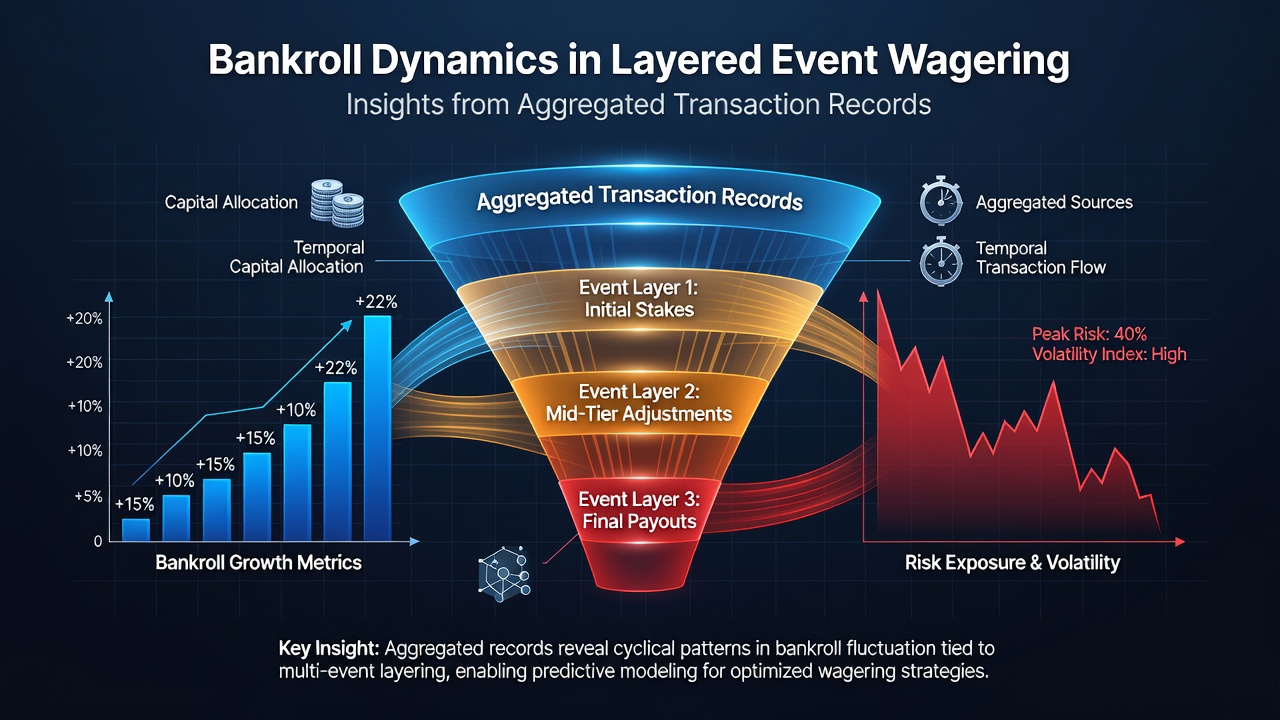
Figures compiled through mid-2026 demonstrate that layered wagering accounts exhibit distinct drawdown recovery curves, where partial recoveries after early-layer losses often trigger continued participation rather than full exits, and these curves flatten when participants reach predefined loss limits embedded in their personal rulesets.
Researchers at the Gambling Research Exchange Ontario have documented similar recovery trajectories in Canadian transaction pools, noting that the presence of bonus-funded layers alters both teh speed of drawdowns and the timing of replenishment deposits.
But here's the thing: when layers span events occurring on different days, the intervening periods allow external factors such as additional deposits from wages or other income sources to influence available funds, which aggregated data captures as non-betting credits that reset risk parameters for the next sequence.
Geographic and Platform Variations
Transaction aggregates collected from European and North American operators show minor differences in average layer depth per account, with some regions displaying preferences for shorter sequences that resolve within a single day while others extend across weekends or multi-week tournaments, yet the underlying bankroll percentage commitments remain remarkably consistent.
Those who've studied these records point out that mobile versus desktop access correlates with slight shifts in deposit frequency, although overall bankroll stability metrics do not diverge significantly between access methods.
Conclusion
Aggregated transaction records continue to serve as a primary resource for understanding how bankrolls evolve under the pressures of layered event wagering, and the patterns extracted from these datasets offer measurable benchmarks for platform operators and oversight agencies alike, with ongoing refinements in data collection expected to yield further granularity in the years ahead.